AI Stocks Hit by a Global Selloff as Wall Street and Asia Both Recoil
Keywords: AI stocks, semiconductor selloff, Nasdaq, Korea KOSPI, Nvidia, SK Hynix, Samsung Electronics, market volatility, Federal Reserve, tech valuation
Introduction
The stock market had another one of those “wait, what just happened?” days. After a long stretch where artificial intelligence stocks seemed to be able to do no wrong, investors suddenly rushed for the exits. Semiconductor names, AI-related companies, and other tech favorites were dumped hard, dragging the Nasdaq Composite down 2.21% and knocking the S&P 500 lower by 1.44%. The Dow, with far less tech exposure, barely flinched in comparison.
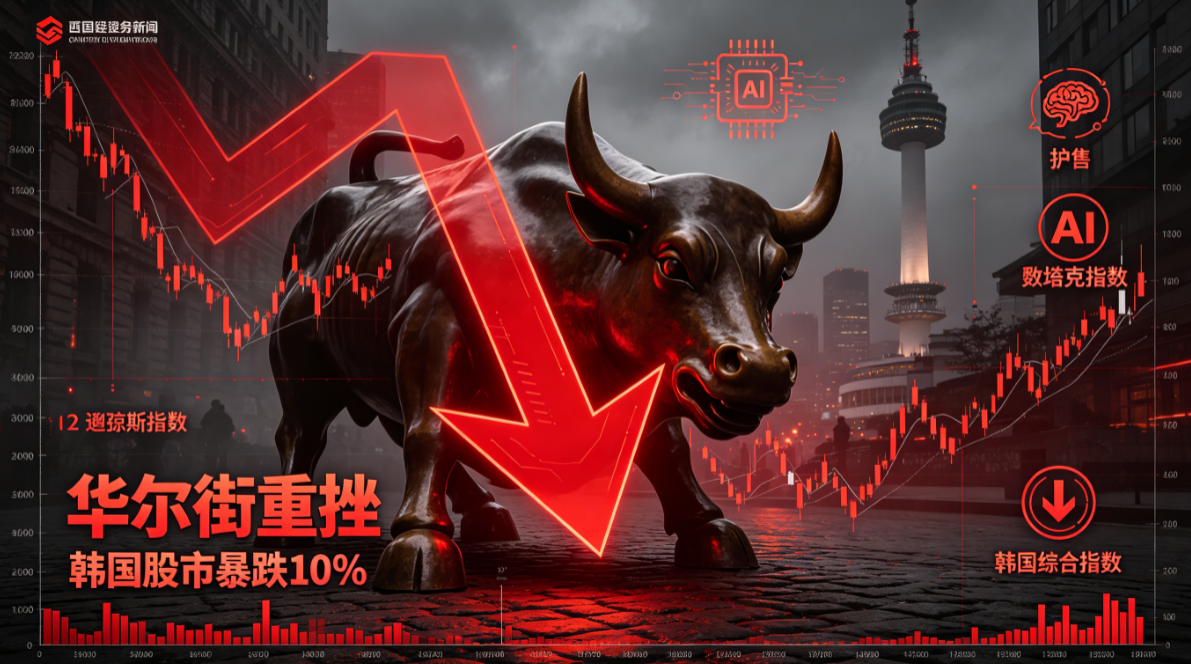
What made the move stand out was not just the size of the decline, but the speed and the global reach. The selling started in the U.S., spread through Asia, and then fed back into Wall Street again. In South Korea, the panic got so intense that the KOSPI plunged 10% and triggered a trading halt. That’s not your average “healthy correction.” That’s the kind of move that makes everyone in the room check whether the fire alarm is real.

A Sudden Mood Shift in the AI Trade
For months, AI has been the market’s favorite story. Investors poured money into chipmakers, cloud giants, and the entire ecosystem tied to machine learning and data-center demand. But when a trade gets too crowded, even a small wave of doubt can feel like a tsunami.
That’s what happened this time. There was no single dramatic scandal, no earnings disaster, no obvious macro shock that screamed “sell now.” Instead, fear spread the old-fashioned way: one drop led to another, then algorithms joined in, and soon everyone seemed to be asking the same question — has AI gone too far, too fast?
According to market economists, this kind of volatility is becoming part of the broader pattern in tech. When valuations are stretched and expectations are sky-high, investors don’t need much encouragement to cash out. In other words, the AI trade may still have long-term potential, but in the short term it’s behaving like a stack of blocks that’s getting a little too tall for comfort.
South Korea Becomes the Epicenter
If Wall Street had a bad day, South Korea had a full-blown meltdown. The KOSPI dropped 10%, briefly freezing trading for 20 minutes as the market tried to calm itself down. The main reason was simple: Korea’s market is heavily exposed to semiconductors, especially memory-chip giants SK Hynix and Samsung Electronics.
Both stocks fell more than 12%, and since those two companies make up a huge share of the index, the whole market got dragged down with them. When the biggest names in a market start sliding at the same time, it’s hard for smaller investors to stay calm.
The panic was amplified by the fact that Korean stocks had already enjoyed a huge run this year. That’s usually when the trouble begins. The higher a market climbs, the more fragile confidence becomes. Traders start wondering whether they’re sitting on a mountain of gains or standing on a trapdoor.
Why the Selloff Spread So Fast
There are a few reasons this selloff snowballed so quickly.
First, AI valuations are still very rich. That doesn’t automatically mean they’re wrong, but it does mean investors are paying a lot for future growth that has to keep showing up quarter after quarter. When the bar is this high, even a small disappointment can hit hard.
Second, a lot of traders have been riding the same wave. That creates a crowded trade. If too many people own the same stocks, the exit gets narrow when sentiment changes. And when sentiment changes, it changes fast.
Third, algorithms and quant funds can make the move worse. Once key technical levels break, computer-driven selling often kicks in. That can turn a normal pullback into a sharp, ugly drop before human traders even finish their coffee.
Some analysts pointed to the recent slide in Google and SpaceX as a possible spark. Google dropped sharply after news that one of its key AI executives had left for Anthropic, while SpaceX saw a steep move after an early surge typical of volatile new listings. Whether or not those events were the real trigger, they clearly didn’t help market nerves.
Big Names Took the Hit
The list of losers reads like a who’s who of the AI boom.
Nvidia fell about 4%, which matters because it has become the poster child for the AI trade. Oracle dropped more than 5.5%, extending a brutal monthly decline. Micron tumbled 13%, while Marvell Technology sank 9% ahead of its earnings report. Even when the broader market is only wobbling, these names can swing like they’re in their own separate universe.
That’s the weird part about a hype-driven market: the same stocks that looked unstoppable a few weeks ago can suddenly feel like the weakest seats on the bus. The narrative changes, and so does the price action.
Is the Fed Adding Fuel to the Fire?
Another theory floating around is that investors are beginning to price in the possibility of another interest-rate hike from the Federal Reserve this year. That worry isn’t exactly new. The new Fed chair, Kevin Warsh, signaled in his first press conference that the central bank would be more aggressive about fighting inflation, and traders quickly interpreted that as a hawkish message.
Higher rates are not great for high-growth tech stocks. Why? Because their value depends heavily on profits expected years down the road, and those future earnings look less attractive when borrowing costs rise and discount rates go up. In plain English: when money gets more expensive, expensive stocks tend to feel even more expensive.
Still, this wasn’t really fresh news. Markets had already had time to digest the Fed’s tone. That suggests the selloff was probably less about one policy headline and more about a broader shift in sentiment. Sometimes markets don’t need a new reason to fall; they just need permission.
A Reminder That the Market Loves a Narrative
One of the most fascinating things about this episode is how quickly the market shifted from euphoria to anxiety. For much of the past two months, U.S. equities hovered near record highs, and the conversation centered on two huge themes: artificial intelligence and interest rates. Geopolitical tensions, which had dominated earlier in the year, faded into the background.
Oil prices even drifted lower, suggesting traders were more optimistic about peace talks and less worried about conflict risk. That left AI as the main story again, which is probably not surprising. The market loves a big narrative, and AI has been the biggest one of all.
But narratives cut both ways. When everything is about the promise of future growth, any sign that growth might slow down becomes a problem. The same excitement that drives a rally can also magnify a correction.
A Healthy Pause or the Start of Something Bigger?
Here’s the million-dollar question: was this just a short-term shakeout, or the beginning of a deeper unwind?
There’s a good argument for the “healthy pause” view. After all, the Nasdaq is still up around 10% year-to-date, and even after the recent decline it’s only about 5.5% off its June peak. In other words, this is not a full collapse. It’s more like the market has tripped over its own shoelaces.
On Wednesday morning, South Korea’s market already bounced back, with the KOSPI up 3% and Samsung Electronics gaining 7%, which suggests the panic may have been overdone. That kind of rebound is a reminder that sharp drops in this environment often don’t last long.
But there’s also a more cautious interpretation. The fact that a small wave of bad vibes can trigger such a large move tells you something important: investor confidence in the AI trade is thinner than it looks. When a market becomes heavily dependent on a single theme, it doesn’t take much for cracks to show.
The Bigger Picture
This isn’t really just about one selloff. It’s about how markets behave when a promising technology becomes a financial obsession.
AI is real. The spending is real. The demand for chips, data centers, and infrastructure is real. But financial markets don’t just price reality — they also price dreams, and sometimes they price them aggressively. That’s why the gap between long-term potential and short-term valuation can become so uncomfortable.
For now, the message from traders seems clear: the AI story is still alive, but nobody wants to pretend it’s risk-free. The market is asking tougher questions now, like whether corporate spending can keep rising, whether margins can hold, and whether the next wave of enthusiasm is already baked into share prices.
Conclusion
The recent global selloff is a useful reality check. It shows how quickly excitement around artificial intelligence can turn into fear when valuations are stretched and sentiment gets shaky. It also shows how interconnected modern markets have become: a drop in U.S. tech can echo through Korea, Japan, and back again in a matter of hours.
For investors, the lesson is simple: great stories can still have ugly trading days. AI may remain one of the most important growth themes of the decade, but that doesn’t mean its stock market path will be smooth. In fact, the bigger the promise, the rougher the ride tends to be.
So no, this probably isn’t the end of the AI trade. But it is a reminder that even the hottest trend on the market can stumble when everyone crowds in at once. And in the stock market, that’s usually when the floor gets a little slippery.